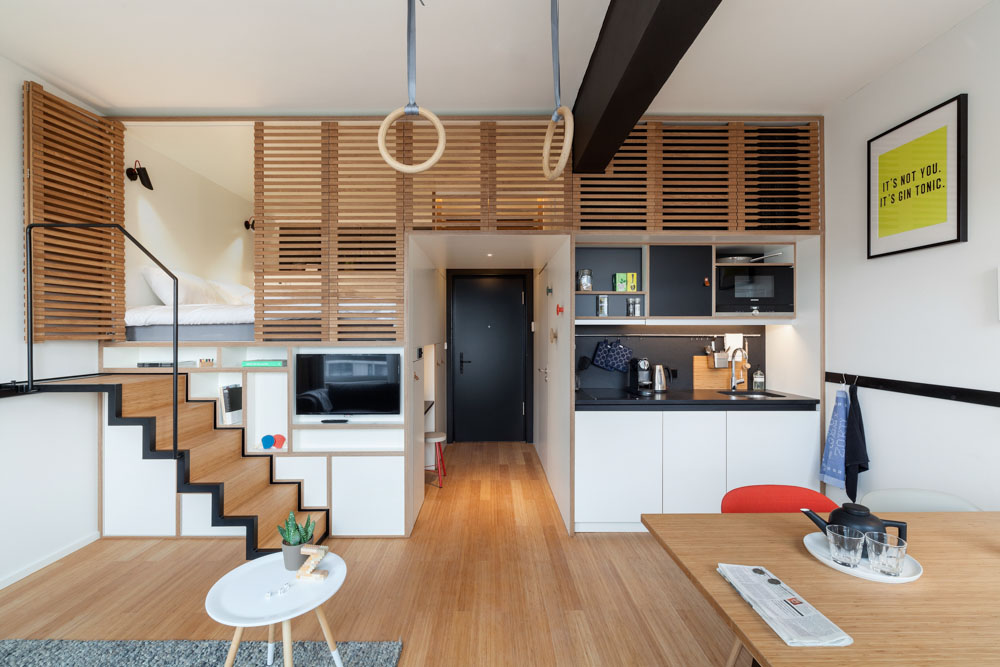
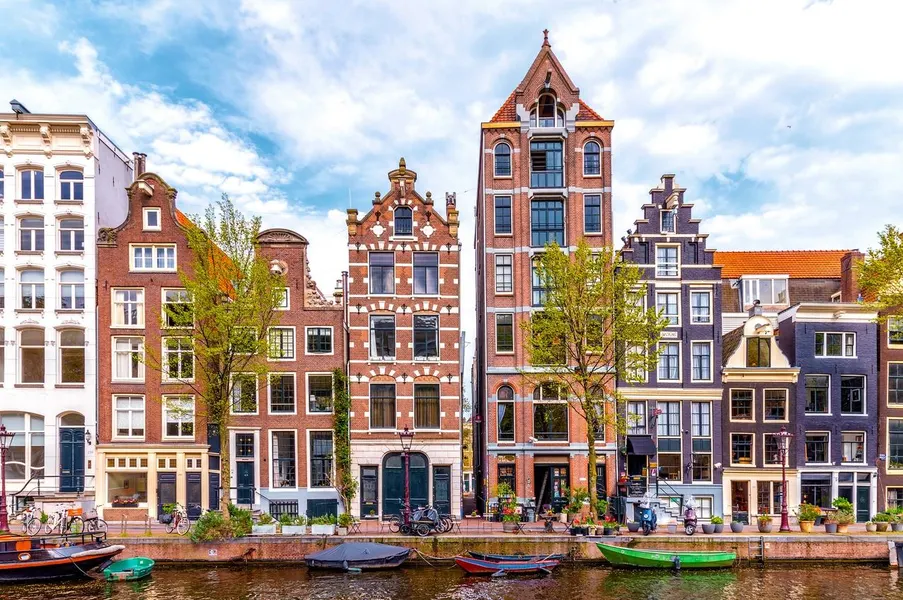
Decent living conditions in the Netherlands involve more than having an address when you arrive. You need a place where you can rest, prepare food, keep belongings safely and organise daily life around work. You also need understandable costs and a clear route to help when something goes wrong.
At WorkInHolland, decent living conditions, honest communication and personal guidance are central to helping internationals settle in. Turn those principles into specific questions about the accommodation offered to you. An arrangement should fit your actual needs, not simply sound reassuring.
Define what you need for an ordinary working week
Start with your actual routine. Think about sleep after a night shift, preparing meals, washing work clothes and storing personal belongings. Consider how the home works when everyone is present.
Separate preferences from essentials. You may prefer a particular neighbourhood, while reliable sleep, safe access or a manageable commute are essential. Explain any accessibility or other practical needs early so they can be discussed before an accommodation offer is finalised.
Our overview of housing and living in Holland helps you connect those needs with the budget and employment decision. The right question is not only whether a bed is available, but whether the arrangement supports the life you will actually lead.
Ask about privacy and personal space
Establish whether you have a private bedroom, share a bedroom or share only communal facilities. Check how room access works and where you can store valuables and documents. Do not assume the same meaning of privacy across different accommodation descriptions.
Discuss the household’s ordinary routines, including visitors, noise and use of shared spaces. Different shifts and habits need clear agreements, so one person’s routine does not consistently override another’s.
Retain control of your identification, bank account and personal correspondence. Accepting help with housing or paperwork does not mean handing over account passwords or agreeing that someone else controls your documents. Ask for explanations you can understand and copies of agreements that concern you.
Look for usable facilities and responsible management
Ask about cooking, washing, heating, ventilation and laundry facilities. Find out who handles repairs and how to contact them outside normal hours for an urgent problem. The quality of a home depends partly on what happens when an appliance stops working, not only on how it looks when everything is new.
Dutch guidance distinguishes everyday minor maintenance generally handled by tenants from larger maintenance responsibilities generally belonging to the landlord. The details depend on the task and circumstances. [S25] Report problems rather than attempting work that is unsafe or beyond your competence.
Treat safety as a practical, ongoing responsibility
Know the escape route, keep access clear and ask how safety concerns are reported. Check unfamiliar household equipment before using it. Do not improvise repairs to electrical or gas installations because you are worried about causing inconvenience.
For immediate danger requiring emergency assistance, call 112. Non-emergency defects should be reported through the appropriate housing or local support channels. Explain the actual situation rather than using an emergency number simply to speed up a routine repair.
If a provider refers to a quality scheme, check the organisation and relevant registration. SNF’s resident information describes standards covering matters such as safety, privacy and facilities. A certification claim is worth checking, but it does not remove the need to understand your own room and agreement.
Keep costs transparent and predictable
Ask for the total housing charge and a breakdown of what it includes. Separate basic rent from other costs where applicable, and establish how payment or salary deductions work. The amount must be understandable alongside your hours, pay cycle and other living expenses.
Do not interpret relocation support as a promise that accommodation is free. WorkInHolland’s relocation guidance distinguishes practical support from accommodation charges and other costs. Confirm the current terms in your individual offer rather than relying on an old example or someone else’s payslip.
Before comparing jobs with accommodation in the Netherlands, write down what you need to know about the room and charges. A lower headline cost is not necessarily better when essential facilities or transport still need to be arranged separately.
Understand what happens when circumstances change
Ask how notice, a different assignment, time away or the end of employment affects accommodation. Keep the housing agreement accessible and do not rely only on a verbal summary. Seek qualified advice if you are asked to leave and do not understand the basis or timing.
The guide to checking accommodation before moving to the Netherlands helps you prepare evidence and questions from the start. Good records are useful for resolving a disagreement without having to reconstruct every conversation from memory.
Know where to get support
Raise an ordinary problem with the responsible contact and describe the remedy you are asking for. Include dates and relevant evidence. When it is not resolved, look for independent help appropriate to the issue rather than assuming your recruiter is the only possible contact.
Municipal reporting points and the public Work in NL information service can help with housing concerns and finding relevant support. These routes are separate from WorkInHolland’s recruitment service.
Before moving to the Netherlands, confirm the people you can contact about arrival, work and accommodation. Knowing their responsibilities helps you ask the right person.
Connect a decent home with suitable work
Read how to find work in the Netherlands and explain both your skills and practical needs. WorkInHolland requires candidates to communicate in English; this helps you understand instructions and discuss the arrangements you are accepting. [B01]
Explore jobs with relocation in the Netherlands when you are ready to discuss a suitable next step. The aim is a manageable move supported by clear agreements, not simply the fastest route to a new address.
Frequently asked questions about living conditions
Does decent accommodation have to be a private apartment?
No. Shared facilities can be suitable when the arrangement is clear, responsibly managed and compatible with your needs. Establish the actual sleeping space, occupancy, facilities and costs. A label such as shared or private does not answer every quality question.
Can I raise a housing concern without waiting for a workplace review?
Yes. Use the accommodation contact for housing issues and explain the problem promptly. Work performance and a maintenance request are different subjects. Keep a record and seek independent support when the issue is unresolved or you feel unable to raise it safely.
What is the most useful question before accepting housing?
Ask the provider to explain the complete arrangement: your room, shared facilities, total charges, commute, contact person and what happens when circumstances change. Follow up on anything uncertain. Specific answers give you a better basis for deciding than a broad assurance that everything is included.