
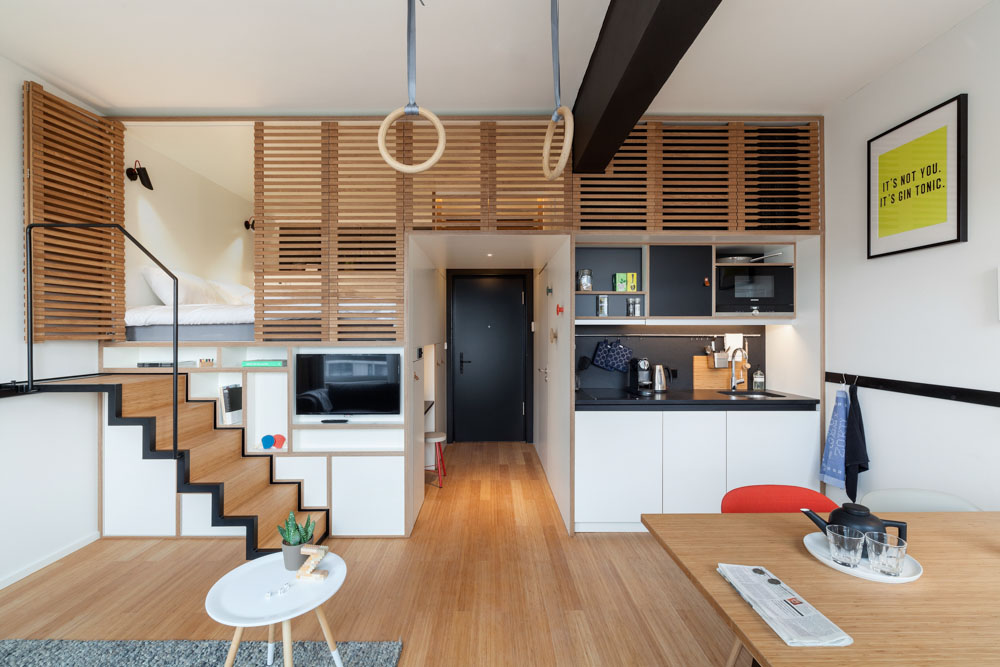
Shared accommodation in the Netherlands can mean a private bedroom with communal facilities, or a different arrangement involving shared sleeping space. Find out exactly what is offered before deciding whether it suits you. Occupancy, shifts and property management all affect daily life.
A good start is about more than collecting keys. You need to know how costs are handled, how people use the kitchen and bathroom, and who helps when something goes wrong. This guide focuses on living together comfortably while you build your working routine.
Clarify what is private and what is shared
Ask which space is exclusively yours and which facilities other residents use. Check bedroom access, storage, bathroom arrangements, cooking equipment and laundry facilities. A photograph of a furnished bedroom does not explain how the rest of the property operates.
Discuss occupancy as well as layout. How many people normally live there, and who tells you if that changes? Establish whether the arrangement is for an individual room, a bed space or a shared agreement for the entire property.
Use housing and living in Holland for the wider housing questions. Before moving in, make sure the description, agreement and room offered to you refer to the same arrangement.
Build routines around different shifts
Two housemates can have opposite working days. One may return late while another needs to leave before dawn. Discuss quiet periods, cooking after work, showers and laundry before tiredness turns an ordinary noise into a recurring argument.
Be practical rather than demanding complete silence at all times. Agree where phone calls take place, whether headphones would help and how doors can be closed quietly. Tell others about a temporary schedule change rather than expecting them to guess.
For example, a housemate who sleeps during the afternoon may need laundry scheduled earlier. Another may need a few minutes in the kitchen at night. A workable agreement recognises both routines and can be reviewed when shifts change.
Make shared spaces easy to use
Agree how the kitchen is left after cooking and where each person’s food is stored. Label personal items where useful and decide which supplies are genuinely shared. One shared purchase need not become a permanent arrangement.
Divide ordinary cleaning tasks clearly. A short rotation for the bathroom, kitchen and common floor can be easier to follow than a vague request to keep everything clean. Establish who supplies cleaning products and how costs are agreed before anyone buys them.
Report a broken appliance or persistent maintenance problem to the responsible provider. Cleaning arrangements between residents do not replace the landlord’s or manager’s responsibilities for the property. Keep the issue separate from any disagreement about everyday tidiness.
Understand bills and joint commitments
Ask whether your own agreement includes utilities and other services, or whether separate payments are required. Establish who receives the bills, how shared amounts are divided and what evidence you can see. Avoid relying only on a verbal request for cash from another resident.
Before adding your name to a household contract, understand the commitment you are making. A joint tenancy, an individual room agreement and a private arrangement to share shopping costs have different implications. Get advice when you do not understand your responsibility for another person’s unpaid bill.
Keep a record of payments and agreed changes. When someone moves out, review how the remaining costs will be handled instead of continuing a split that no longer matches the household.
Discuss privacy, visitors and personal boundaries
Clarify the visitor policy before inviting someone to stay. An overnight guest can affect noise, bathroom use and the number of people in the property. Do not assume a spare bed means you can extend an invitation without agreement.
Keep personal documents, banking information and online passwords private. Sharing a home does not require sharing access to your accounts or allowing photographs of your identification. Practical help with a letter should not mean losing control of your own information.
Discuss room access with the provider and other residents. Knock, ask before borrowing belongings and agree a respectful way to raise concerns. Consideration matters whatever your housemates’ backgrounds.
Know who can resolve a problem
Start with a calm, specific conversation when the issue is an everyday disagreement. Explain what happened and what change would help. “The washing machine wakes me after my night shift” is easier to resolve than a general accusation about someone being inconsiderate.
When a problem continues, involve the person responsible for managing the accommodation. Keep factual notes and distinguish a maintenance request, a charge dispute and a personal disagreement. Each may need a different response.
Threats, harassment or unsafe conditions should not be treated as something you must tolerate to keep the peace. Seek appropriate independent support. Work in NL, the public information service, can help you find housing information and the relevant assistance. It is separate from WorkInHolland.
Check the home before agreeing to the move
Read the guide to checking accommodation before moving to the Netherlands to prepare a useful viewing or video call. Ask to see the shared facilities and discuss how the property functions when everyone is home, not only when a room has been tidied for a photograph.
If you are comparing jobs in Amsterdam with accommodation, connect the housing discussion to the actual shifts and commute. A property outside the city may still suit the job, but the daily routine needs checking rather than assuming it will work.
Before moving to the Netherlands, confirm what you need to bring and when you can collect keys. Arriving with a few essential groceries and a clear first-day plan gives you time to settle in without borrowing everything immediately.
Choose work and housing that fit together
Explore jobs with accommodation in the Netherlands when you need support arranging both. Explain your preferences and any essential needs early, including whether you are comfortable sharing facilities or travelling with a partner. Availability and terms depend on the individual offer.
For unskilled jobs in the Netherlands, read the vacancy requirements carefully. WorkInHolland candidates must communicate in English, even if some housemates happen to speak your first language. [B01] Being able to ask questions independently matters both at work and when discussing practical arrangements.
Frequently asked questions about shared accommodation
Will I have my own bedroom?
That depends on the specific offer. Ask whether the accommodation is a private bedroom, a shared bedroom or another arrangement, and request confirmation before accepting. Also check storage and access rather than judging privacy only by the number of beds shown in a picture.
Can I choose my housemates?
Do not assume this is available. Ask the provider how rooms are allocated and how changes are handled. Explain any essential requirements early. When choosing a private house share yourself, use the viewing to discuss routines as well as rent and facilities.
What should we do when our shifts change?
Review the arrangements for sleep, cooking, showers and laundry. Tell housemates about the new schedule and agree practical changes instead of relying on old assumptions. Contact the accommodation manager when a problem cannot be resolved within the household.