Moving to the Netherlands is easier to plan when you connect three decisions: the job you are taking, where you will live and what you must arrange before starting. Booking a ticket is only one part of the move. A realistic arrival plan gives you room to deal with paperwork, settle into your accommodation and begin work feeling prepared.
This guide is for internationals considering a move to Holland for employment. Start with the decisions below, then work through the details that apply to your situation. You do not need every answer today, but you should know who is responsible for each arrangement before you travel.
Start with work that fits your experience
Think about the tasks you can already do, your availability and the working environment you prefer. Explain your experience clearly rather than relying only on a job title. Packing orders, reading technical drawings and operating machinery are different skills, even when previous employers used similar titles.
Our guide to finding work in the Netherlands helps you turn that experience into a focused application. For WorkInHolland opportunities, you must be able to communicate in English well enough to understand instructions, ask questions and work safely. Dutch requirements depend on the vacancy. [S01]
Securing an offer before departure can make budgeting and housing decisions more concrete. Read how to relocate to the Netherlands with a job when you are ready to compare the complete offer, not just the advertised wage.
Establish your right to live and work here
Your nationality and immigration status matter more than the country you are travelling from. EU citizens can generally work in another EU country without a work permit. Different rules apply to many candidates with other nationalities, including some people already living elsewhere in Europe. [S35]
Before accepting a start date, establish what permission you need and whether it covers the intended job. Do not treat a flight booking, accommodation agreement or job offer as immigration approval. Where an application is required, ask who submits it and what evidence must be available before you can start. Keep the answer with your other employment documents.
Arrange accommodation around your working day
Choose housing with your actual routine in mind. A room that looks convenient on a map may not suit an early shift. Ask how you will reach the workplace, whether transport runs at the relevant time and what happens when the schedule changes.
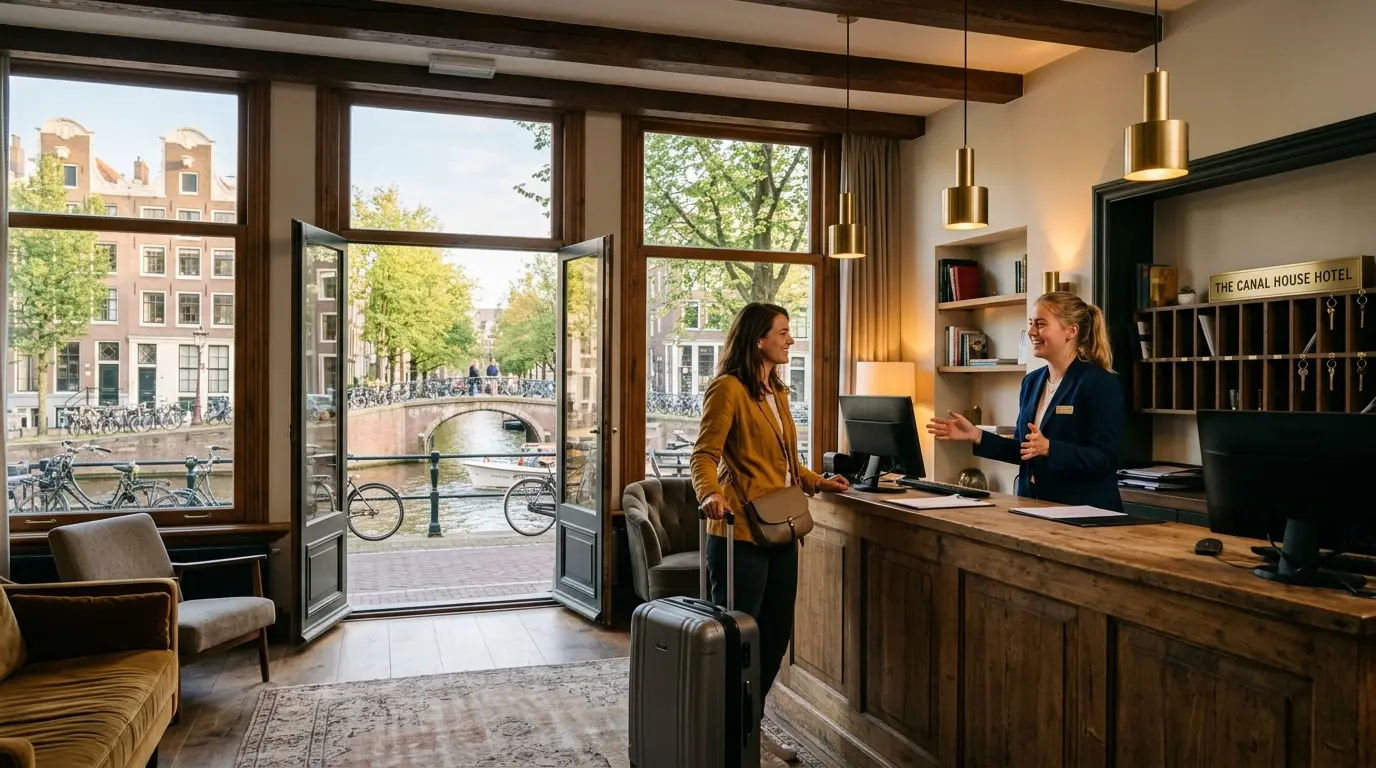
The guide to housing and living in Holland explains what to discuss before committing. Establish the room type, shared facilities, occupancy rules, charges and arrangements for receiving post. Ask what happens to the accommodation if your employment ends.
When comparing jobs with accommodation in the Netherlands, distinguish housing that is arranged for you from housing that is free. WorkInHolland’s published relocation package includes accommodation support but also describes salary deductions for housing and insurance. Request the applicable figures and terms for your own offer. [S02]
Prepare documents and the right registration route
Keep your valid identification, employment information and accommodation details together. Ask the relevant municipality what it requires for your circumstances; foreign civil-status documents may also be needed. Carry original documents where requested and keep secure copies separately.
If you expect to live in the Netherlands for longer than four months, resident registration is normally required. Government guidance says to register within five days of arrival. A shorter stay can involve non-resident registration instead. Contact the appropriate office early rather than assuming every newcomer uses the same procedure. [S04]
Leave space in your first-week schedule for appointments. An appointment confirmation does not necessarily mean every administrative step will be completed that day.
Budget for the journey and the first salary payment
Build your budget around money available to you, not only the gross wage in the advertisement. Write down travel, initial groceries, accommodation charges, insurance, commuting and a contingency amount. Ask when the first salary will arrive and which period it will cover.
Clarify whether travel support means a ticket booked in advance or reimbursement later. Until the arrangement is confirmed, keep enough money for the journey yourself. Save receipts and booking details in one place.
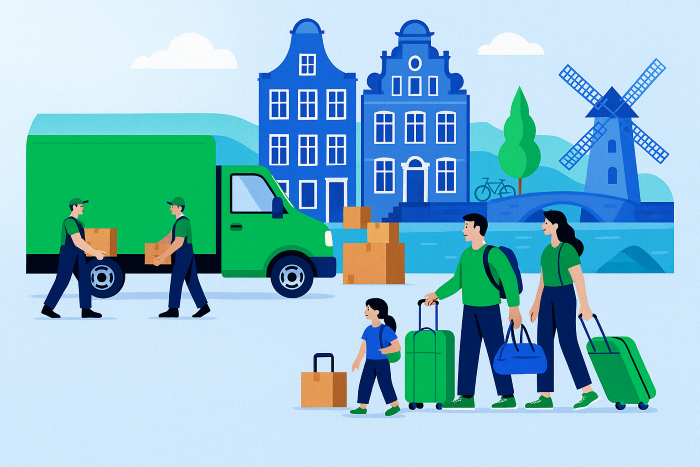
For a small move, compare luggage allowances before paying for extra baggage. For a larger move, request a written inventory and quotation from a removal company. Recruitment support and transporting an entire household are not automatically the same service.
Give your first week a manageable structure
Confirm your arrival contact, address, key collection and first working day. Keep these details accessible offline. A charged phone and written backup can prevent a simple travel delay from becoming a bigger problem.
Arrange health insurance promptly when Dutch insurance rules apply to you. Government guidance provides a four-month deadline, but that is not an invitation to postpone the decision or assume foreign cover remains sufficient. Cross-border circumstances can require a separate assessment. [S09]
Give yourself time to practise the commute, buy food and rest. Arriving late at night immediately before your first shift leaves little room to resolve anything unexpected.
Adapt the plan to the country you are leaving
A moving plan also includes unfinished matters at home. Consider your current tenancy, employer notice arrangements, subscriptions and access to important records. Avoid cancelling essential services before the Dutch arrangements are settled.
For a more specific example, our guide to moving to the Netherlands from Romania covers document preparation and travel planning for that move. The practical sequence is useful more widely, while citizenship and personal circumstances still determine the legal requirements.
Explore jobs with relocation in the Netherlands once you know the type of work and support you need. A clear application gives the team a better starting point for discussing your next step.
Frequently asked questions about moving to the Netherlands
Can I move before finding a job?
That depends on your right of residence and available budget. A job offer is not the only possible basis for being in the Netherlands, but arriving without work makes housing and first-month costs less predictable. Establish your legal position and financial plan before committing.
Do I need fluent Dutch before I move?
Not for every vacancy. WorkInHolland candidates must speak English sufficiently for workplace communication, and individual employers may ask for Dutch or another language. Describe your actual language ability honestly so the role matches what you can understand and explain.
Will a relocation package cover every expense?
Do not assume that it will. Ask separately about housing, insurance, the journey, commuting and any reimbursement conditions. Confirm what is arranged, what is paid by the employer and what you pay yourself. That distinction is essential for a realistic budget.