Jobs in Nijmegen for English speakers can involve specialist knowledge, practical technical skills or supporting responsibilities. To find a useful starting point, connect your own background with the tasks in a vacancy rather than assuming that every international workplace recruits the same type of applicant.
This guide helps you research the city, interpret requirements and compare the practical arrangements. The goal is an application that makes sense for both your experience and the life you can organise around the job.
Understand the high-tech and health setting
Noviotech Campus in Nijmegen brings together companies in areas including semiconductors, medical technology, digital health and biotechnology. The wider setting also includes knowledge institutions such as Radboud University and Radboudumc. This context helps you discover organisations, but it does not establish the availability or language requirements of a particular job.
Identify the actual employer behind each opportunity. A campus is a location and business community, not one organisation with a single set of vacancies. Research whether the work involves development, testing, production, administration or another specific responsibility.
Some roles will require specialist education or experience. Others may involve different support tasks. Let the advertisement define the requirements instead of treating the industry name as proof that you are either automatically qualified or automatically excluded.
Present the detail behind your skills
For technical work, name the equipment, processes and checks you know. Explain whether you followed established instructions, helped resolve problems or worked independently. This gives a clearer picture than a broad statement about having experience in a factory or laboratory.
For a supporting position, describe the information, materials or schedules you handled. Accuracy, communication and following a procedure can be useful when the vacancy requires them. Support those claims with an example rather than a string of adjectives.
Our guide on how to find work in the Netherlands explains how to turn that information into a focused application. Keep qualifications accurate, especially when translating an unfamiliar course title into English.
Search current roles, not just interesting organisations
An employer can be relevant to your field without currently advertising suitable work. Separate a list of organisations to follow from a shortlist of vacancies you can apply for now. This helps you avoid spending most of your search on opportunities that are not actually open.
You can review local job opportunities in the Netherlands for WorkInHolland listings, checking the location of each role. The collection covers more than Nijmegen, so discuss your preferred area with the team and avoid assuming that a vacancy is available locally at every moment.
Keep notes of the job title, workplace, essential requirements, application channel and deadline where one is stated. Before following up, reread the listing so your question is specific and useful.
Confirm the language of the actual work
An English-language website or international employer does not tell you everything about the working language. Ask about induction, written procedures, reporting and communication with colleagues or customers. Different teams can have different requirements.
You must speak English for WorkInHolland vacancies. Prepare to explain a task from your previous experience and how you would ask for clarification. In a technical setting, clear vocabulary about the work is more valuable than a memorised introduction full of general claims.
If Dutch is listed as essential, confirm whether it is genuinely required for the role. Do not assume the condition will disappear because your other skills are relevant. A realistic conversation can identify another opportunity without overstating your language ability.
Compare Nijmegen with other locations
The guide to jobs in Arnhem for English speakers offers a comparison within the wider region. Check the actual home-to-work journey before deciding that either location can serve the same practical plan.
For a different employment setting, read about jobs in Tilburg for English speakers. That can be useful when your interests are closer to practical logistics than the specialist roles you first found. Compare the work and its requirements, not just the number of search results.
Decide where you can be flexible. You may be open to another city while needing accommodation support, or willing to change the type of role while staying near an existing home. Explaining those priorities makes a recruiter conversation more productive.
Look closely at the first weeks of work
Ask how training is organised, who supervises you and what you are expected to do independently. A new workplace may use procedures or systems that differ from those you already know. Be open about where you need site-specific instruction.
Check the shift pattern and the exact location. If the role involves a controlled or specialist working environment, ask about clothing, equipment and entry procedures rather than assuming the routine is identical to a previous job.
Review the basic gross pay and guaranteed hours separately from allowances. Request an explanation of the first payday and what working period it covers. Your arrival budget should not depend on additional shifts or payments that have not been confirmed.
Connect housing with the job you are considering
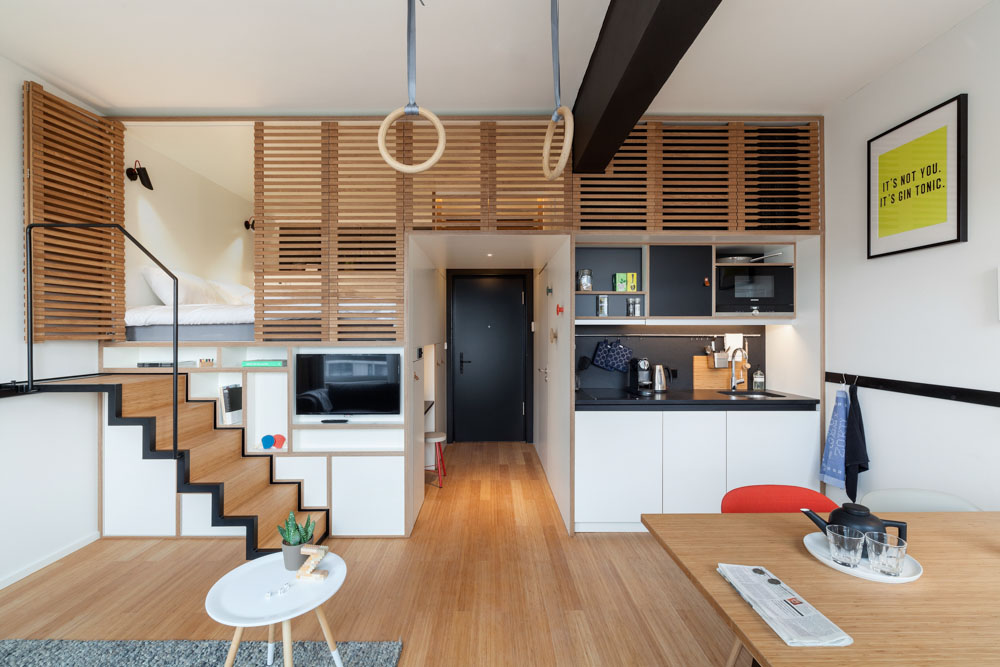
Explore jobs with accommodation in the Netherlands when you need living support, and confirm whether an appropriate arrangement is available for the role. Ask about cost, room type, shared facilities and the commute. Do not assume the housing will be within Nijmegen itself.
Before moving to the Netherlands, bring together the offer, necessary documents and arrival instructions. Make sure you know whom to contact about both work and practical arrangements. A clear plan leaves more energy for learning the role once you arrive.
WorkInHolland combines recruitment with guidance for internationals preparing for a new life in Holland. [1] Use that conversation to explain your actual experience and needs. The aim is a suitable next step, not simply an application to a well-known regional industry.
Frequently asked questions
Are all Nijmegen jobs connected with high technology?
No single sector describes every opportunity. The local high-tech and health context is a useful research starting point, but your shortlist should be based on actual vacancies and your own skills. Read the responsibilities and qualifications for each role.
Can I apply without experience in a specialist industry?
Apply when your background meets the essential requirements. Explain transferable experience honestly, but do not treat it as a replacement for a required specialist qualification. Ask the recruiter whether a different practical or supporting role would be a better fit.
How do I know whether housing fits the job?
Check the home location, workplace and travel at the actual shift times. Confirm the cost and facilities, not only the distance. An accommodation arrangement should support the complete working week and your budget, rather than simply provide an address.