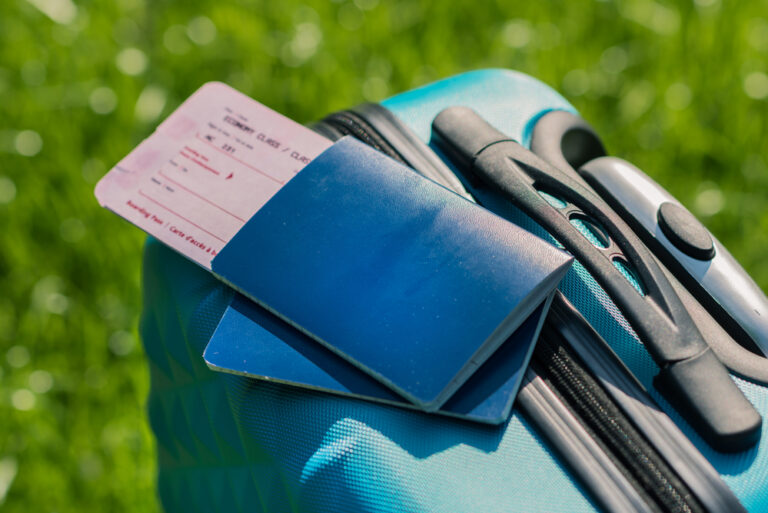
The documents needed to work in the Netherlands fall into different groups. Some establish who you are and whether you may work. Others allow payroll to pay you correctly or help a municipality register your details. Employers may also request evidence of experience or qualifications for a particular role.
Keeping these purposes separate makes preparation easier. You are not collecting one universal “Dutch work file” that every organisation uses in the same way. This guide explains what to prepare, which details depend on your situation and how to avoid delays caused by missing or unsuitable documents.
Start with valid identification
Prepare the original identity document appropriate to your nationality and circumstances, normally a passport or eligible identity card. Check its validity well before travelling and make sure the name matches the details you use in your application.
An employer must check a new employee’s original identity document and keep the required copy. A driving licence is not sufficient for that initial employment identity check because it does not establish nationality. A photograph on your phone is not a replacement for producing the original when required. [S38]
Use a consistent spelling of your name across job, travel and accommodation paperwork. Where documents show different names or spellings, raise that before the appointment. Do not alter a document or invent a simplified identity to make a form easier to complete.
Establish which proof of work permission applies
Identification and permission to work are related but separate checks. EU, EEA and Swiss nationals can generally work in the Netherlands without a work permit. Candidates with other nationalities may need a specific combination of residence and work permission. [S07]
Where you already have a Dutch residence document, provide the relevant details to the employer, including the work conditions. An employer may need to see more than the front of the card. A permit tied to another employer or purpose should not be treated as unrestricted permission for a new job.
Keep this discussion separate from accommodation and travel. Our guide to moving to the Netherlands helps you organise the wider process, but practical relocation support does not itself establish immigration eligibility.
Prepare the information payroll needs
Payroll will normally request your personal details, address, BSN and payment information. Supply them accurately and through the employer’s agreed process. Check account-holder names and numbers carefully; a small typing error can create avoidable work for everyone involved.
Read what a BSN number in the Netherlands means before assuming it is another type of work permit. It identifies you in public administration and is used for payroll, but it does not replace the right-to-work check.
If your BSN application is delayed, inform the employer and keep appointment or processing evidence. The Dutch Tax Administration has rules for missing BSNs, including circumstances where a documented delay is outside the employee’s and employer’s control. Payroll should assess those rules rather than you assuming that every delay has the same tax result. [S12]
Keep your employment documents understandable
Save the vacancy, written offer and contract together. Establish the employer’s identity, work location, pay arrangements, agreed hours and intended start date. Ask which documents you will receive before departure and which are part of onboarding.
A document can be genuine and still contain terms you do not understand. Ask for explanations of unfamiliar wording before signing. Make notes of questions about deductions, accommodation or transport and check the answers against the written agreement.
Our guide to finding work in the Netherlands is useful earlier in the process, when you are deciding which roles suit you. A strong application describes your skills and availability clearly; it should not include unnecessary sensitive information in a CV circulated to many employers.
Separate registration documents from job documents
Municipal registration can involve identity documents, evidence of your address and civil-status records, depending on the circumstances. The exact requirements come from the municipality where you will register. An employment contract does not automatically replace housing evidence or a requested original certificate.
For example, Utrecht’s published instructions include identity documents, housing evidence and relevant original documents from abroad. It also explains language and legalisation requirements. Treat this as an example of local instructions, not a fixed checklist for every Dutch municipality. [S16]
Ask the office which documents are essential at the first appointment and how to supply anything outstanding. Where a translation or legalisation is needed, establish the correct process before paying for it. Some European public documents have specific exemptions, so avoid assuming every certificate requires the same treatment.
Add qualifications only where the role needs them
Relevant certificates can help an employer understand your experience, but not every vacancy requires a diploma. Prepare records that genuinely relate to the job, such as training, trade qualifications or references the employer has requested. Include validity dates where a certificate has one.
Describe the equipment or tasks you have experience with in clear English. WorkInHolland requires candidates to communicate in English; a translated CV should reflect what you can actually explain in an interview and understand at work. [S01]
For unskilled jobs in the Netherlands, focus on the requirements stated in the vacancy rather than assuming that no qualification means no requirements at all. Reliability, availability, language ability and permission to work still need to be considered.
Create a secure, practical document pack
Keep one organised set of originals and a separate set of secure digital copies. Name files clearly so you can find an identity scan, appointment confirmation or housing agreement quickly. Avoid sending the same sensitive pack to every person who contacts you.
Ask why a document is requested and how it should be provided. Share required information with the correct employer or authority, but do not give anyone your banking password, DigiD credentials or unrestricted access to your email.
Use the first-week checklist for the Netherlands to connect the pack to your appointments. When considering jobs with accommodation in the Netherlands, also confirm who supplies the housing documents needed for your actual registration route.
Frequently asked questions about work documents
Can I use copies instead of original documents?
Copies are useful for preparation, but employers and authorities may need to inspect originals. Follow the instructions for each appointment. Carry originals safely and do not assume a scan, photograph or printed copy will be accepted for an identity check.
Is a BSN proof that I can work in the Netherlands?
No. A BSN is an administrative identifier, not an employment authorisation. The employer must establish your right to work separately. Arrange the number through the appropriate registration process and provide the immigration evidence relevant to your own situation.
Do I need every document before applying for a vacancy?
Not always. A recruiter can explain what is needed at application, interview and onboarding stages. Be transparent about anything still pending, especially identification, work permission or a required qualification. Never claim a certificate or permission you do not hold.